
A meeting of London earth, circular design and the rituals of gift giving, ‘Fired Earth’ imagines what might happen when COLFORD’s approach to considered gifting meets Rescued Clay’s radical rethinking of a material that would otherwise be discarded.
Words - Nathan Cole
Photography - Sophie Stafford
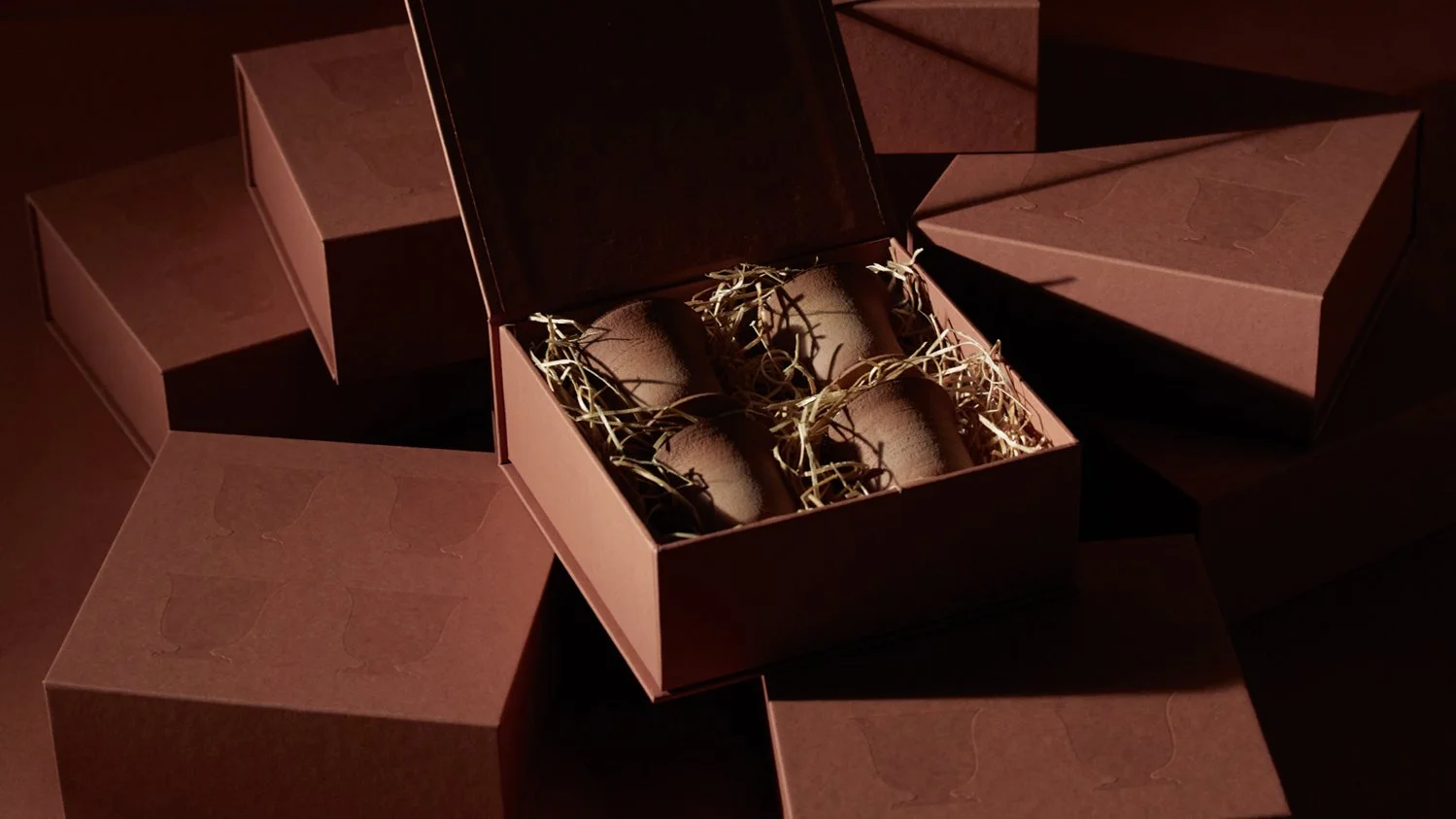
There is something quietly compelling about clay. It begins beneath our feet, shaped by geology and time, yet in the hands of a maker it can become almost anything: a vessel, a tile, a sculpture, a piece of architecture. It is both ancient and immediate. For ‘Fired Earth’, a hypothetical summer gifting concept developed by COLFORD in collaboration with Rescued Clay, the material itself becomes the starting point.
Rescued Clay sources raw material excavated from construction sites across London; rubble that might otherwise be treated as spoil and sent to landfill. Brought back into use, it becomes something altogether different - a resource for experimentation, making and storytelling. Based in the North West of the capital, the organisation works at the intersection of circularity, craft and community, exploring not only how waste can be reused but what new narratives might emerge from it.
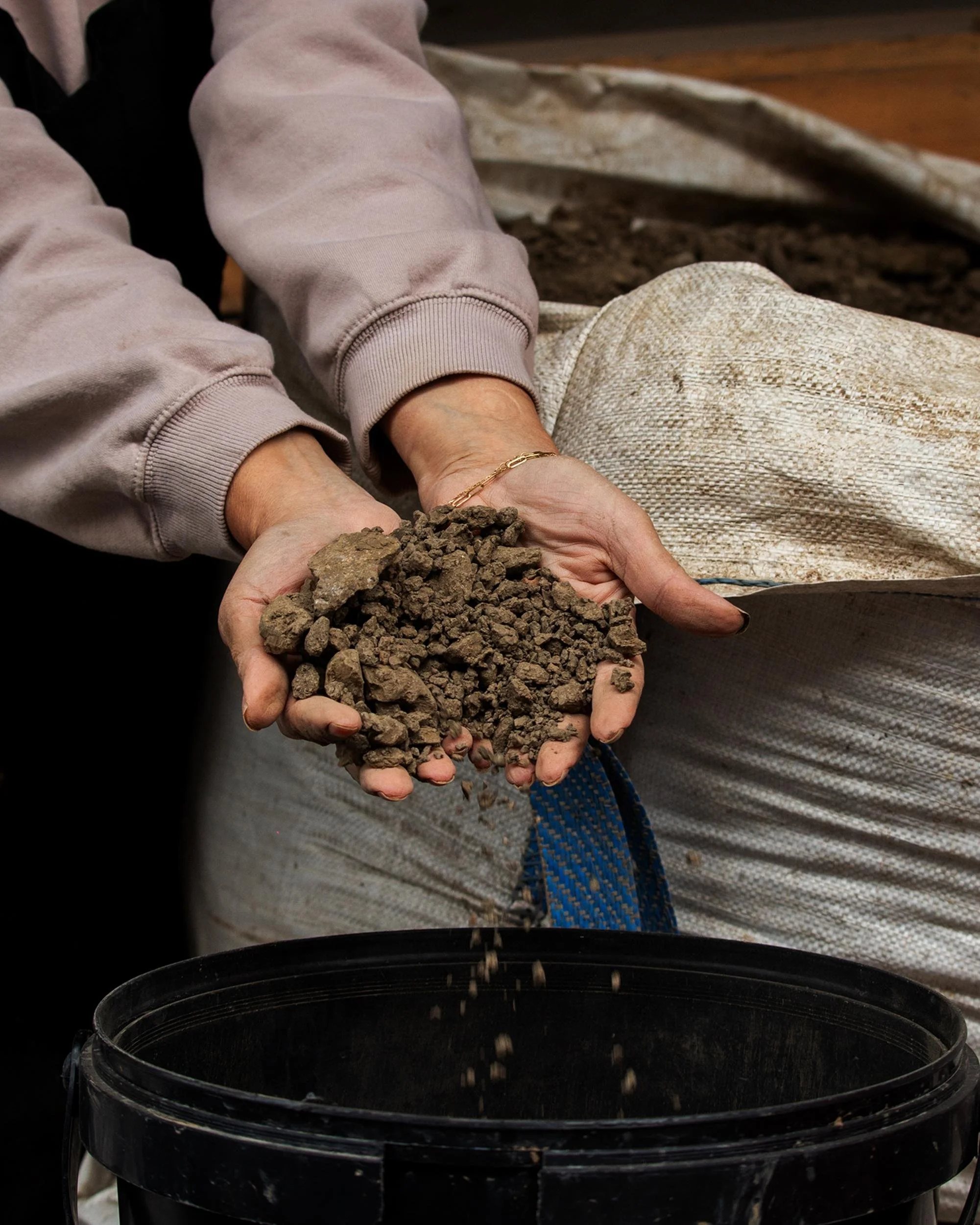
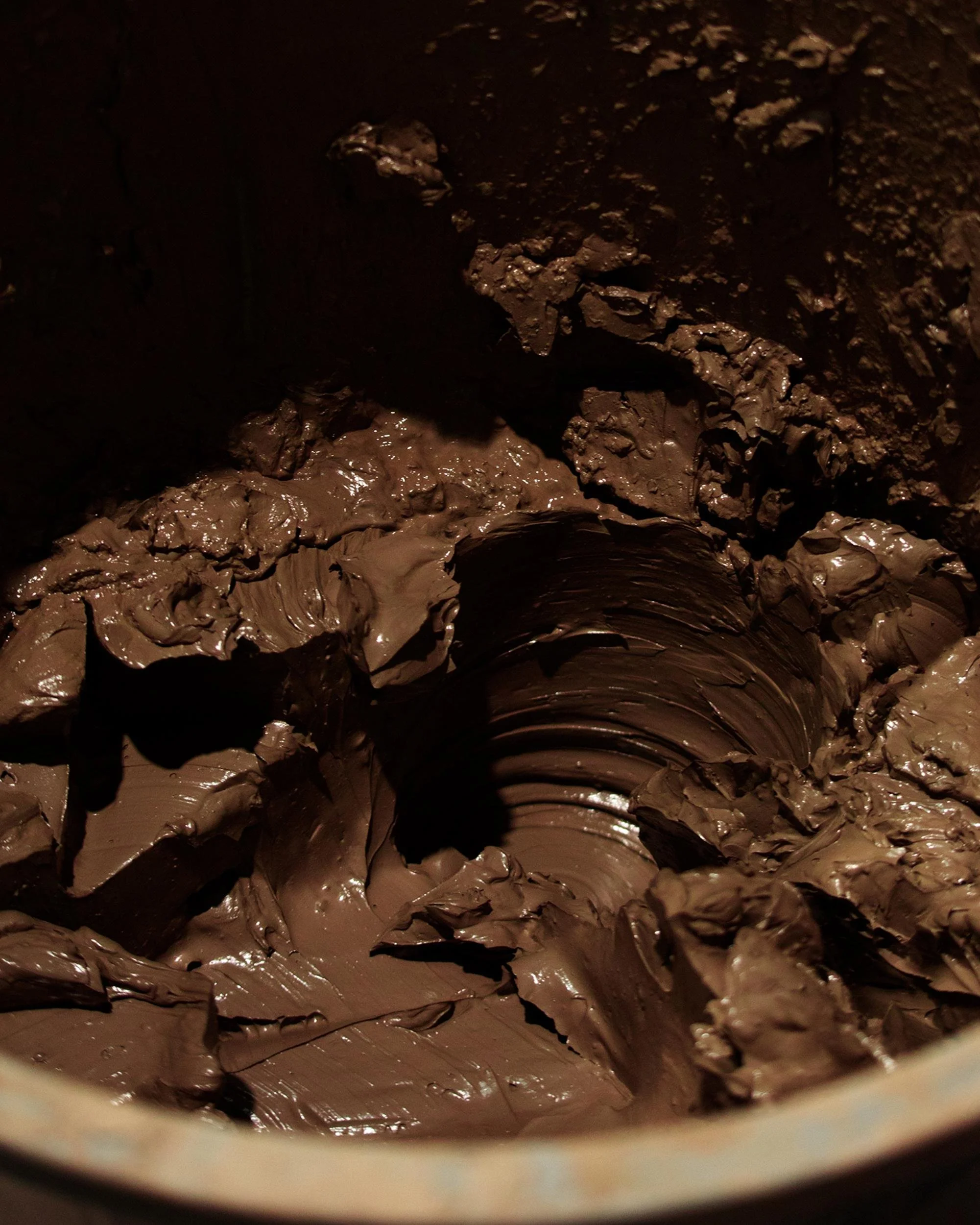
For COLFORD, the attraction is obvious. Gifting is often concerned with speed, convenience and the finished object, but the more interesting question is what happens when the slower story of an object’s incarnation becomes part of the gift itself. A material excavated from the city, rescued from a construction site and transformed by hand carries a provenance that cannot be replicated. Its imperfections are not flaws but evidence of where it has come from.
The concept began with a simple proposition: what if a branded gift - an invitation to a fashion week salon show, for example - could carry a deeper meaning?
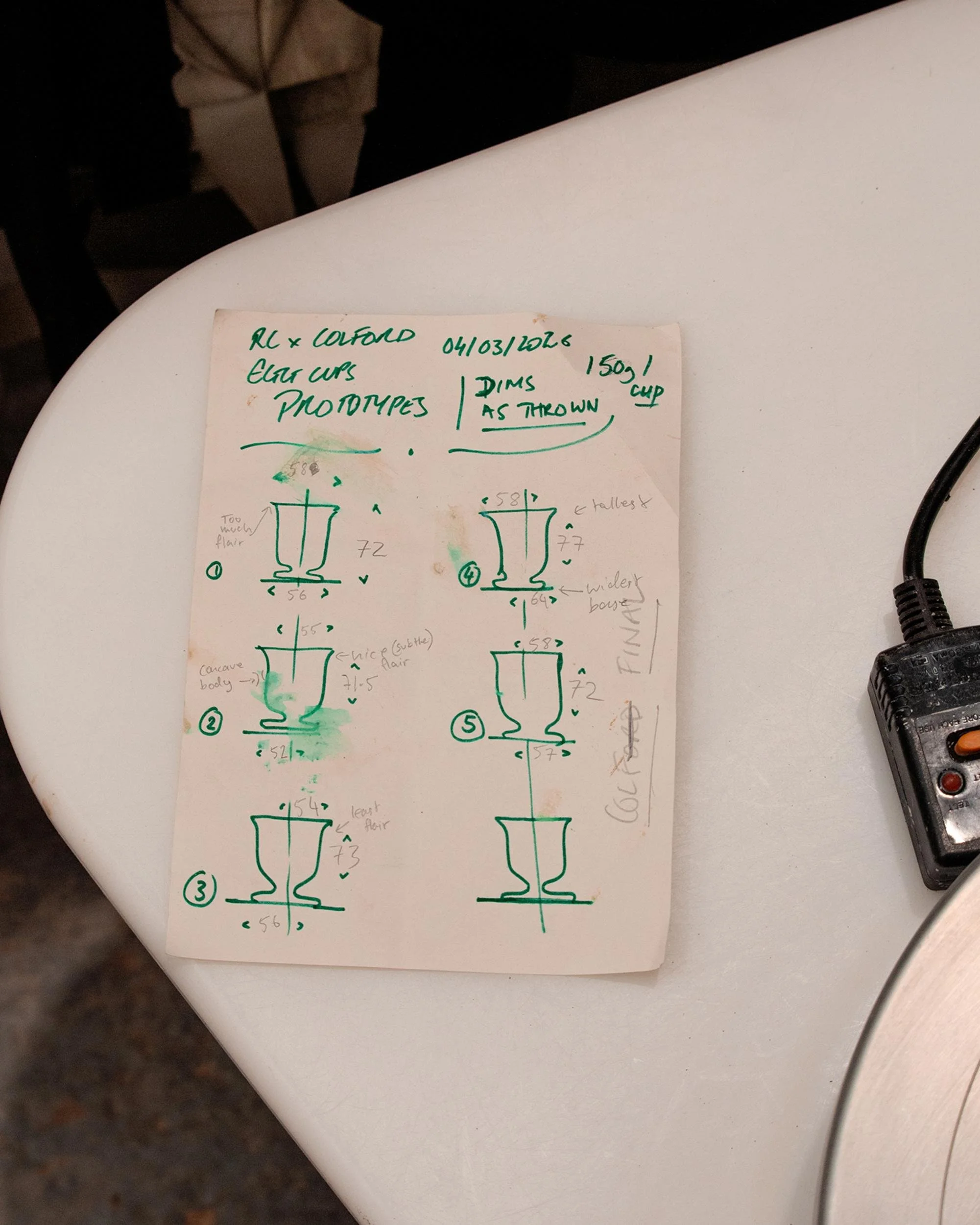
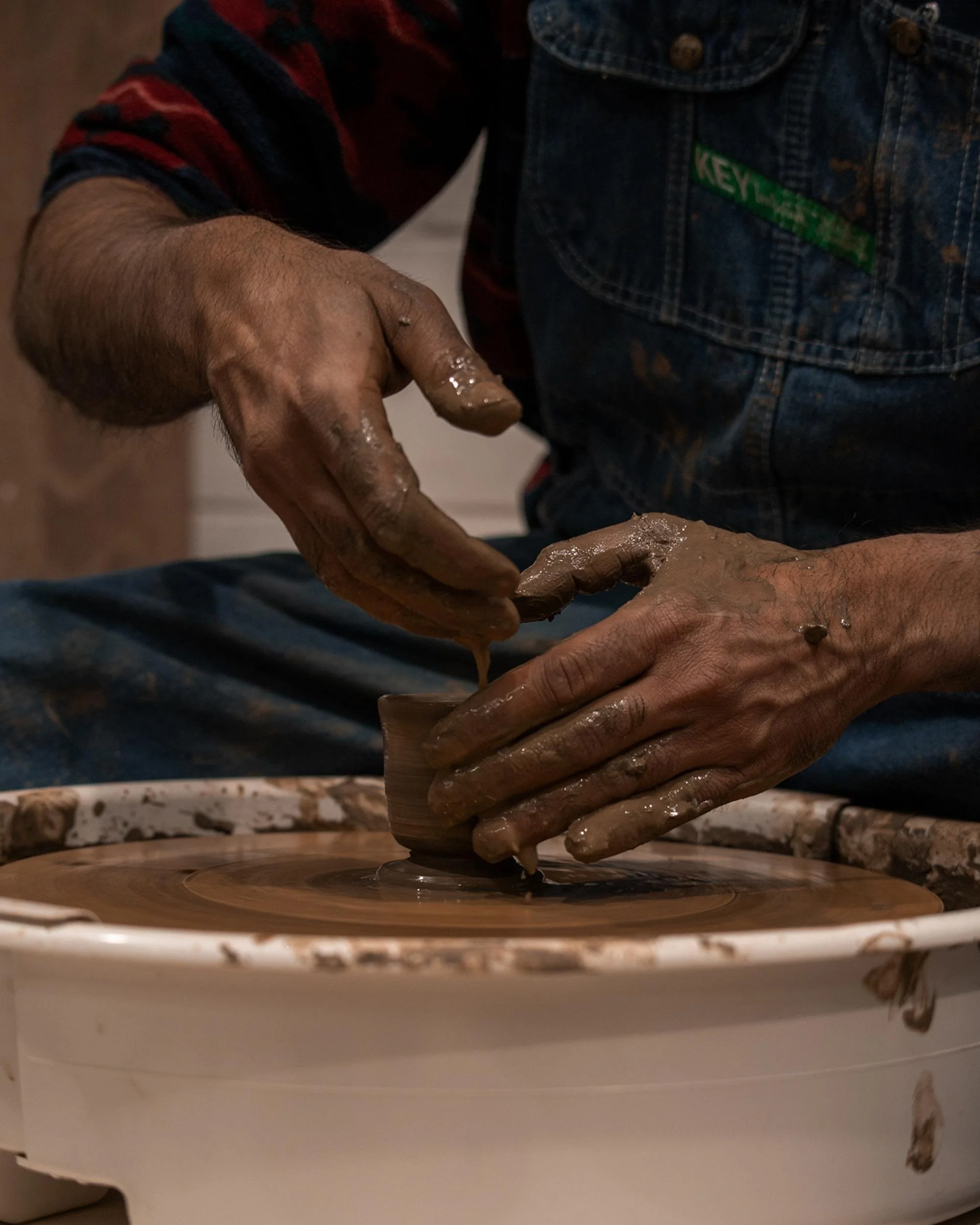
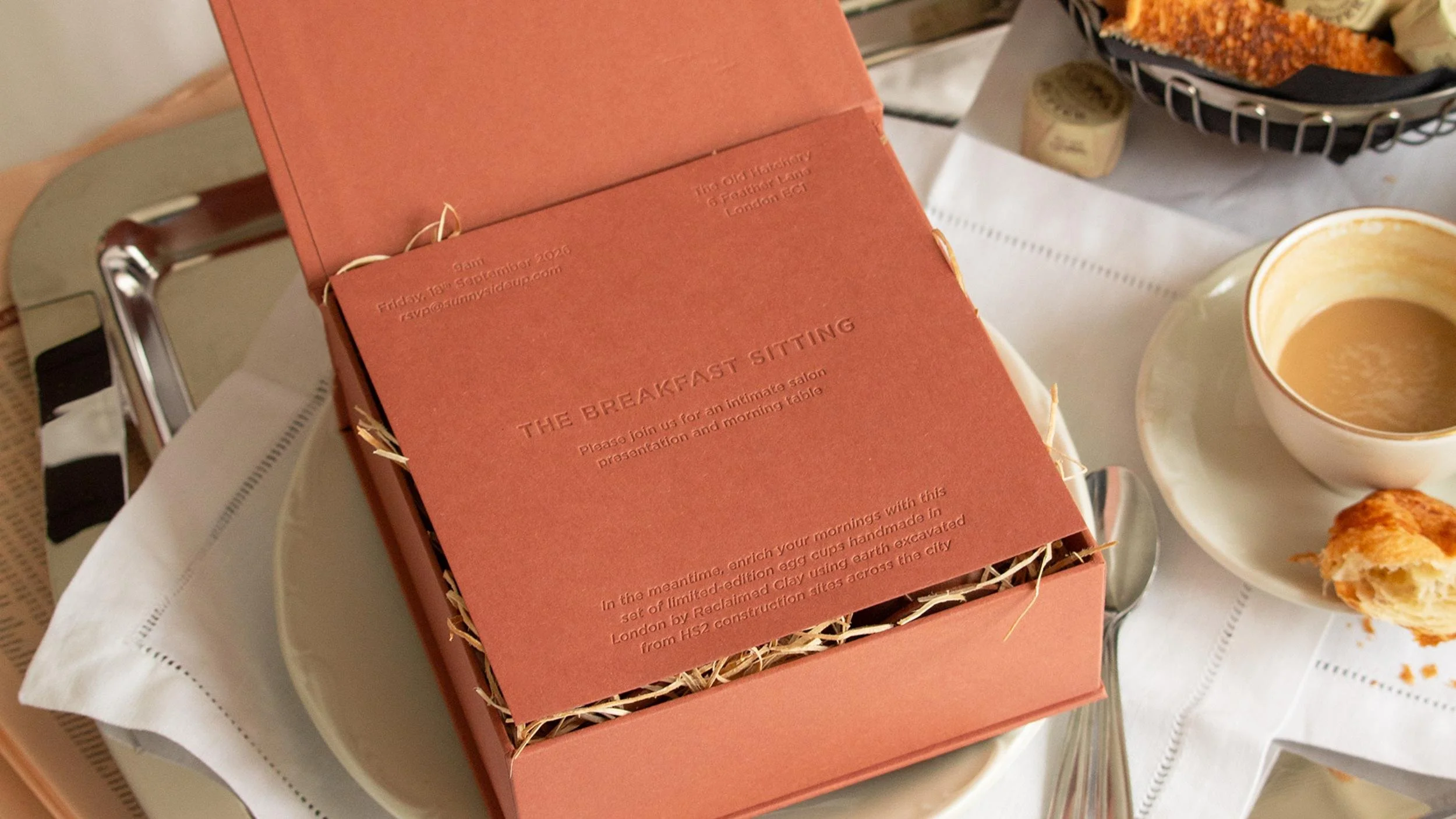
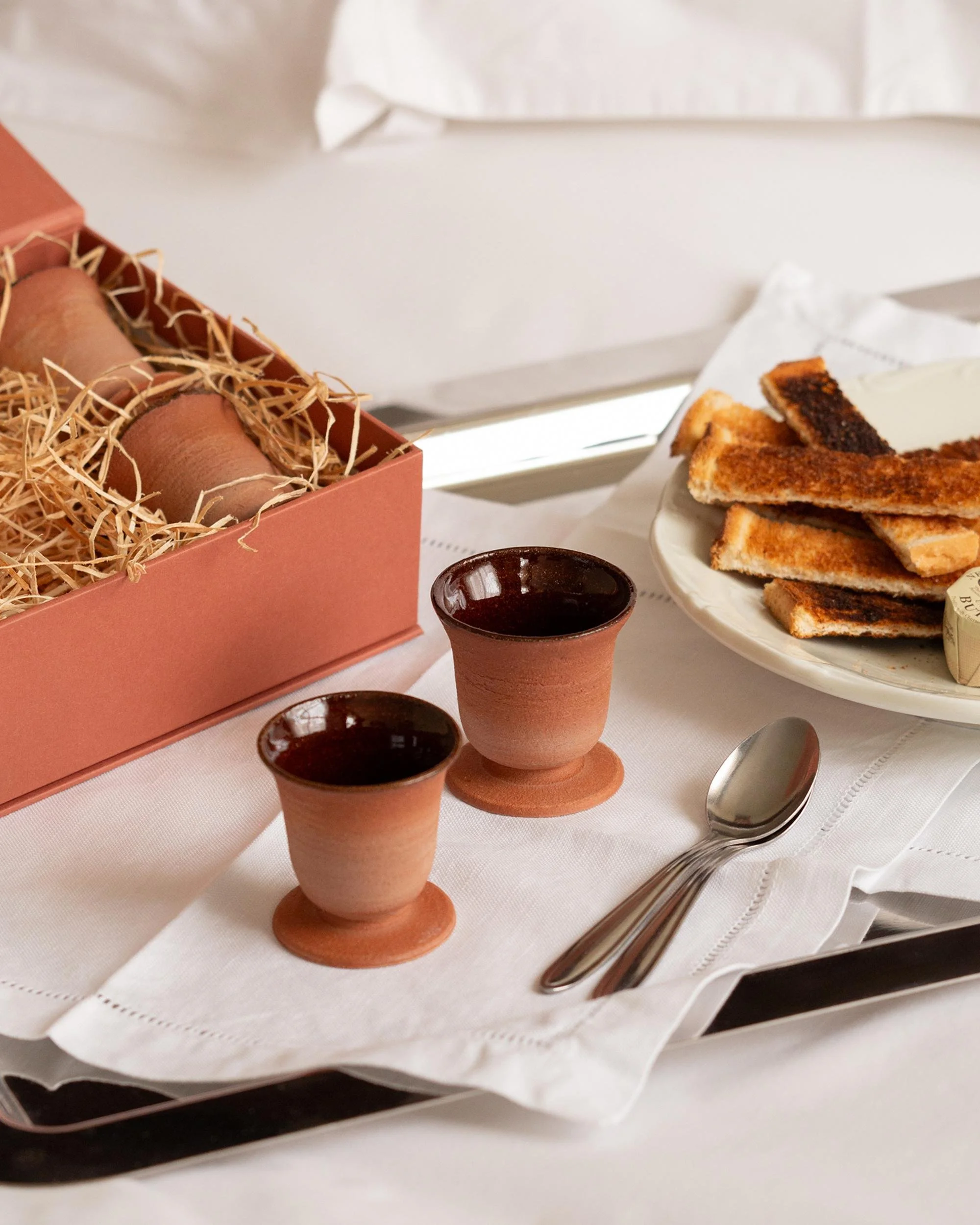
Taking inspiration from the idea of the objects inviting guests to a morning fashion presentation, the vision of the rescued clay being transformed into a series of handmade egg cups came to life. Small, tactile objects with an everyday purpose, but with a much bigger story behind them. Something as familiar as the breakfast table suddenly becomes a way of talking about where materials come from, how they are used and what happens when we choose to give them another life.
That sense of transformation is central to the project. COLFORD has consistently looked to artists, craftspeople and designer-makers to bring a sense of individuality to its gifting work, combining traditional ideas around giving with new approaches to materials and making. Here, the collaboration extends that thinking further. The gift is not simply an invitation to a fashion show or an object made from sustainable material; the object’s journey becomes part of its meaning.
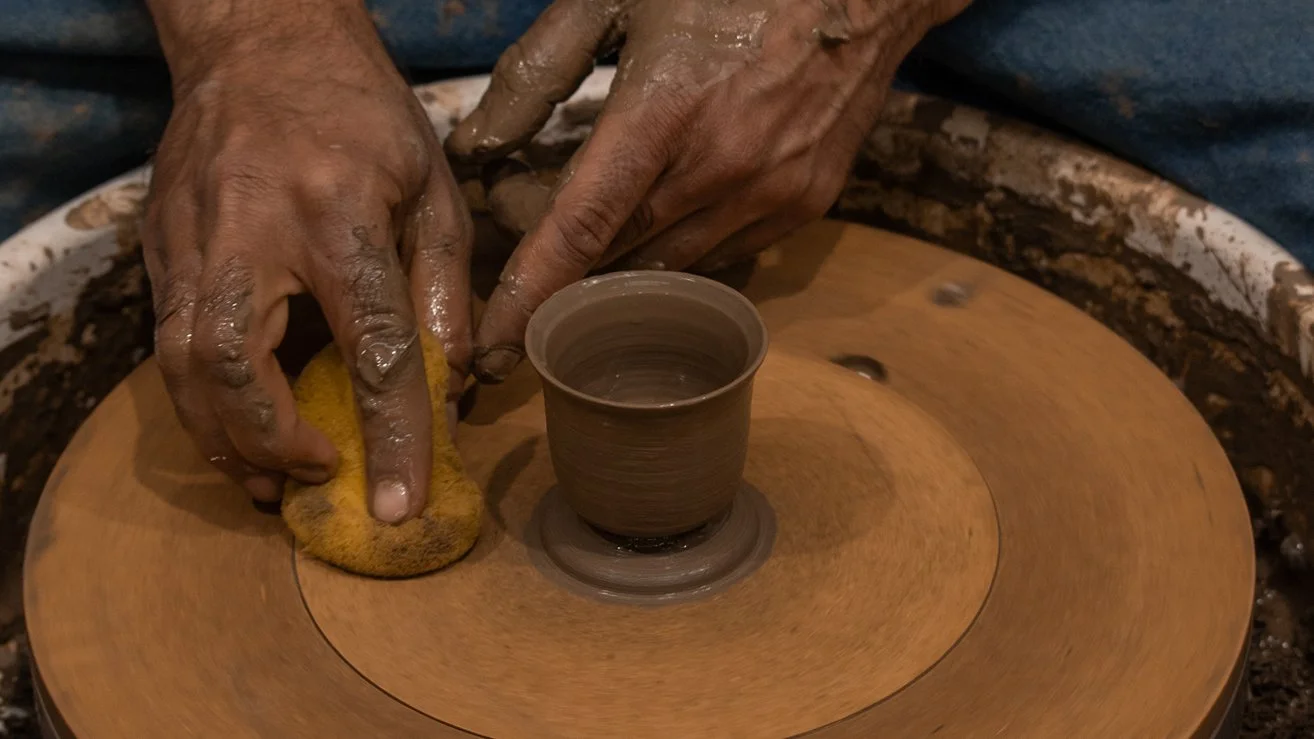
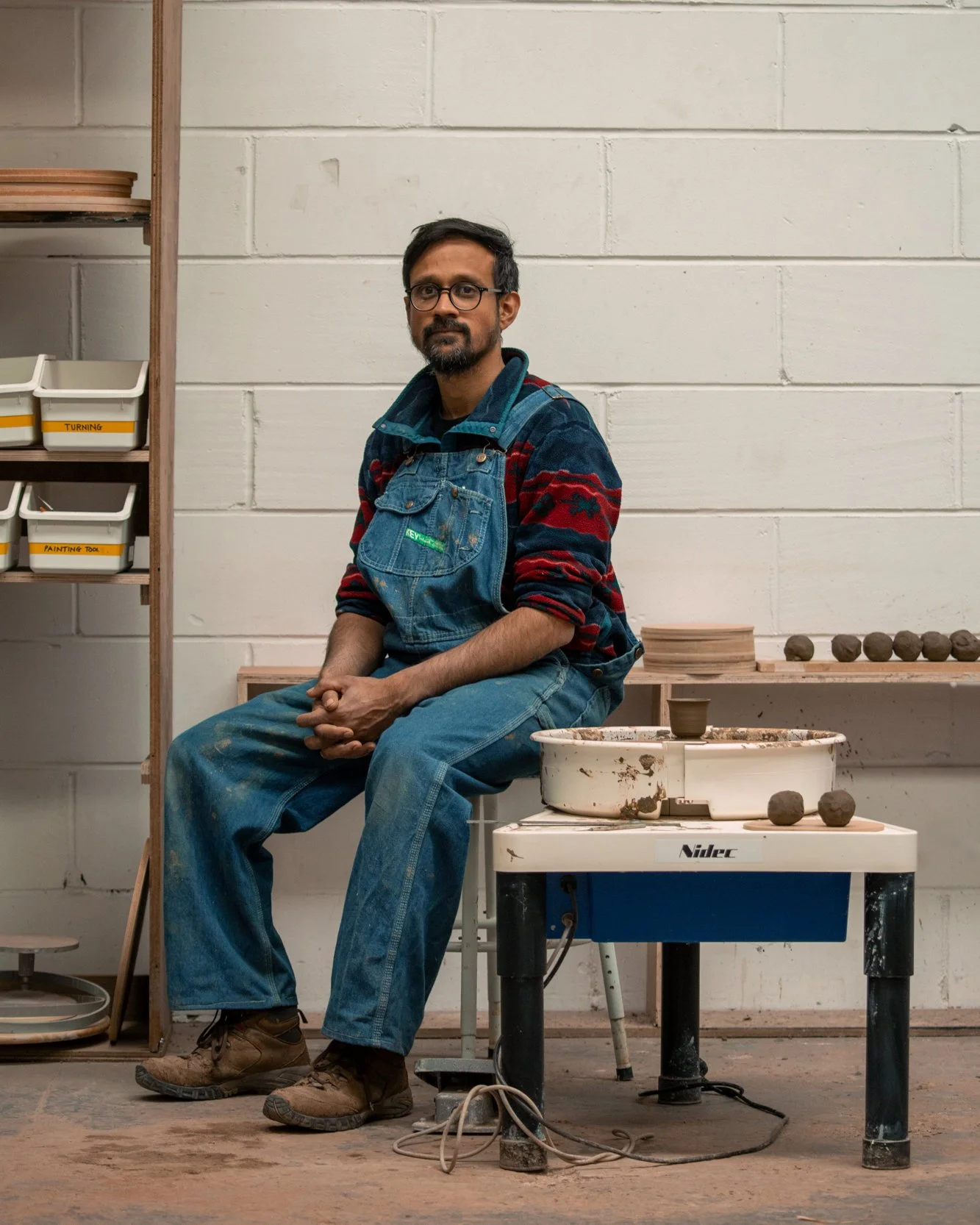
At the heart of the collaboration was Prashant Patel, Co-Founder of Rescued Clay. Bringing not only access to the reclaimed material but an understanding of its potential: Prashant illustrated how a substance removed from the ground can be reconsidered as something beautiful and full of purpose.
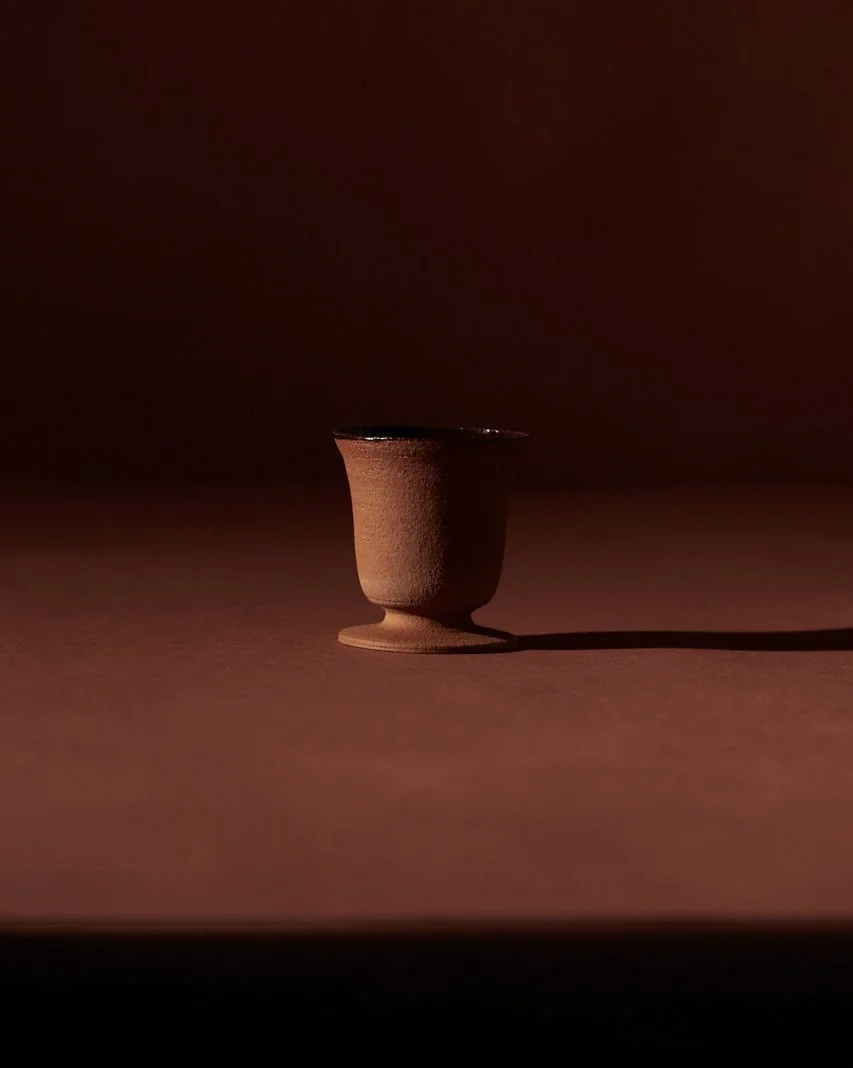
The egg cups became a particularly fitting expression of that thinking. They are functional, familiar and deliberately modest. Their appeal lies in the clay itself: its texture, variation and sense of provenance. Each one is a small reminder that the material beneath the city has a history before it ever reaches the breakfast table.
The clay was processed in-house by the Rescued Clay community: soaked, blended and sieved into a workable material, then hand-thrown on the wheel. Once shaped, the cups were bisque fired in the kiln and decorated with a bespoke glaze to the inside, before being fired a second time. The pleasing contrast between the glossy, glazed interior and the rough, textural terracotta exterior tells a story of transformation whilst honouring the beauty of raw material.
Clay also lends itself naturally to the slower rhythms of making. It can be pinched, pressed, rolled, moulded or thrown. Surfaces retain the marks of the hand, while firing and glazing introduces another layer of transformation. Heat changes the character of the material permanently, turning something soft and malleable into something enduring.
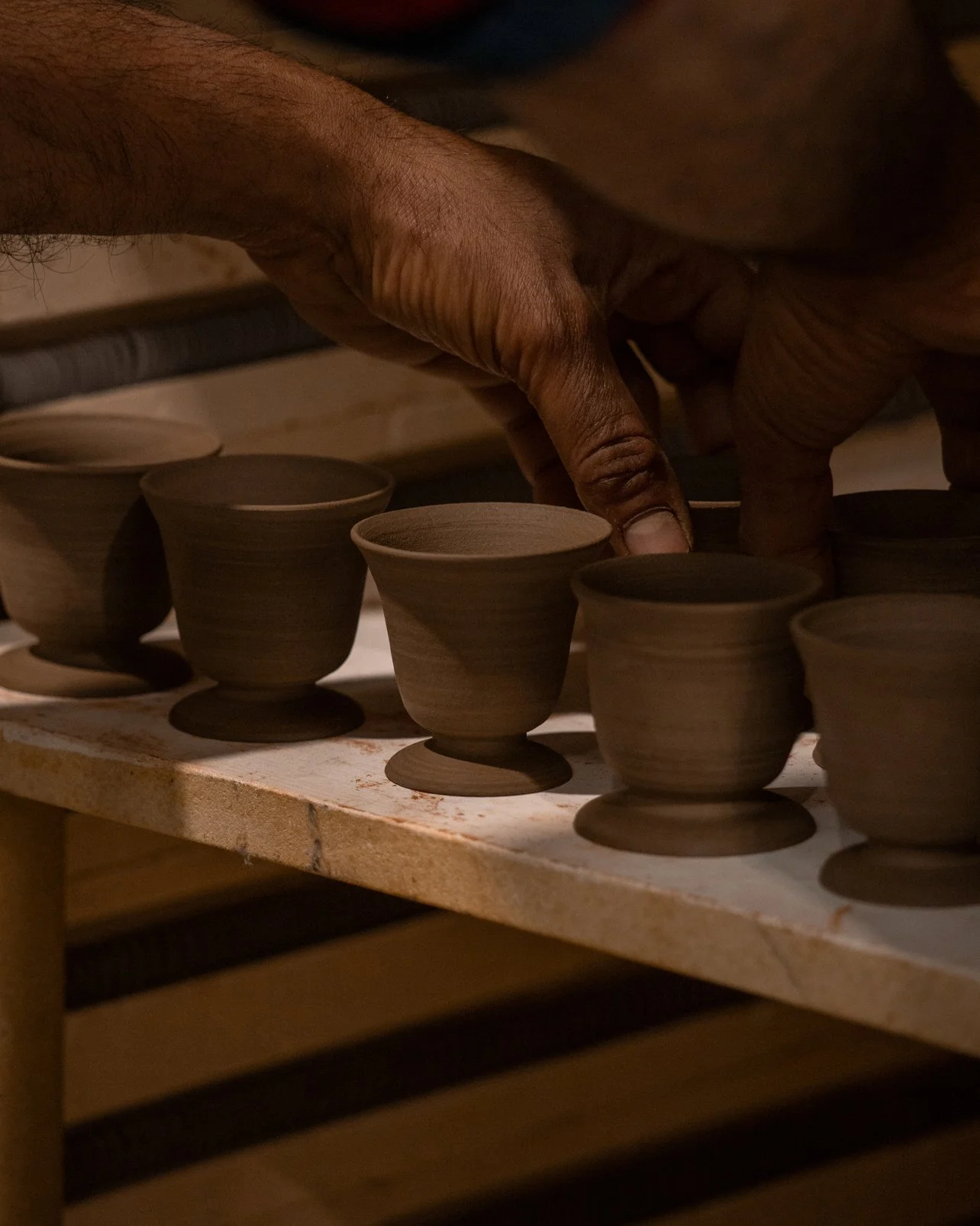
For ‘Fired Earth’, that process becomes part of the visual language. Forms are deliberately simple, allowing the character of the rescued clay to remain visible. Texture, variation and irregularity are welcomed rather than concealed. The result is imagined as a collection of tactile objects that sit somewhere between useful things and small pieces of material archaeology.
That broader ambition gives the collaboration its relevance. Circular design can sometimes feel abstract, but clay makes the idea tangible. You can hold the material in your hands. You can see its texture, feel its weight and understand that it has come from somewhere. The act of rescuing becomes visible.
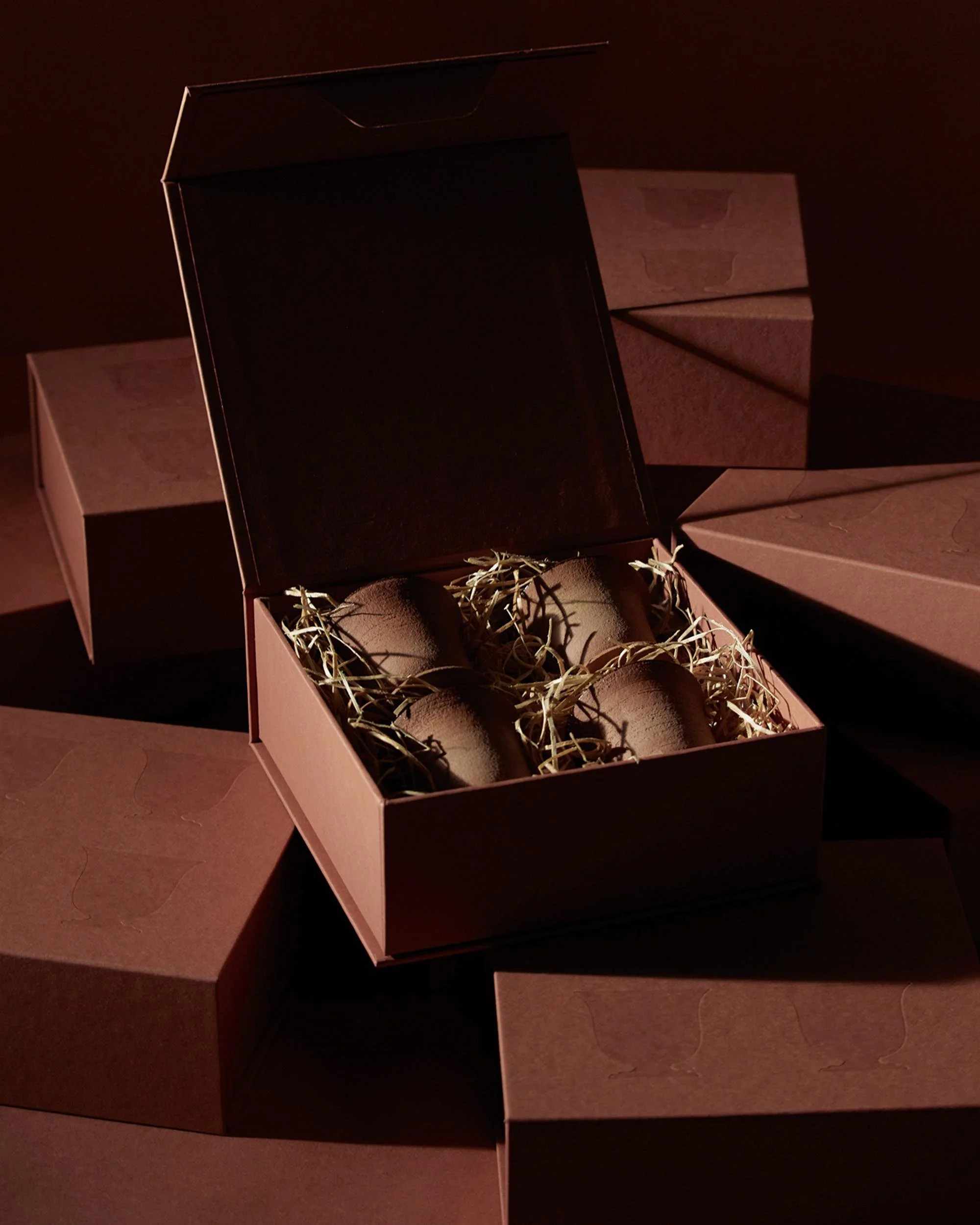
There is something inherently summery about the idea. ‘Fired Earth’ is imagined in a palette of warm, mineral tones and natural textures, evoking sun-baked landscapes, garden walls, terracotta terraces and the changing colours of the warmer months. Yet beneath the aesthetic is a distinctly London story: the ground beneath the capital, the construction sites that continually reshape it, and the possibility of treating what is removed as something worth keeping.
For Rescued Clay, this is part of a wider exploration of what reclaimed material can become. Its work extends beyond simply recovering clay; it creates opportunities for people to learn, make and experiment with a material that has been given another chance. Workshops, studio access and collaborative projects all form part of that ecosystem, bringing the environmental question into direct contact with the act of making.
For COLFORD, the project offers another way to think about the gift. The most memorable objects are rarely noteworthy because of their commercial value. They endure because they have a story, because they reveal something about the person who chose them and the message they wish to communicate or because they create a connection between giver and recipient.
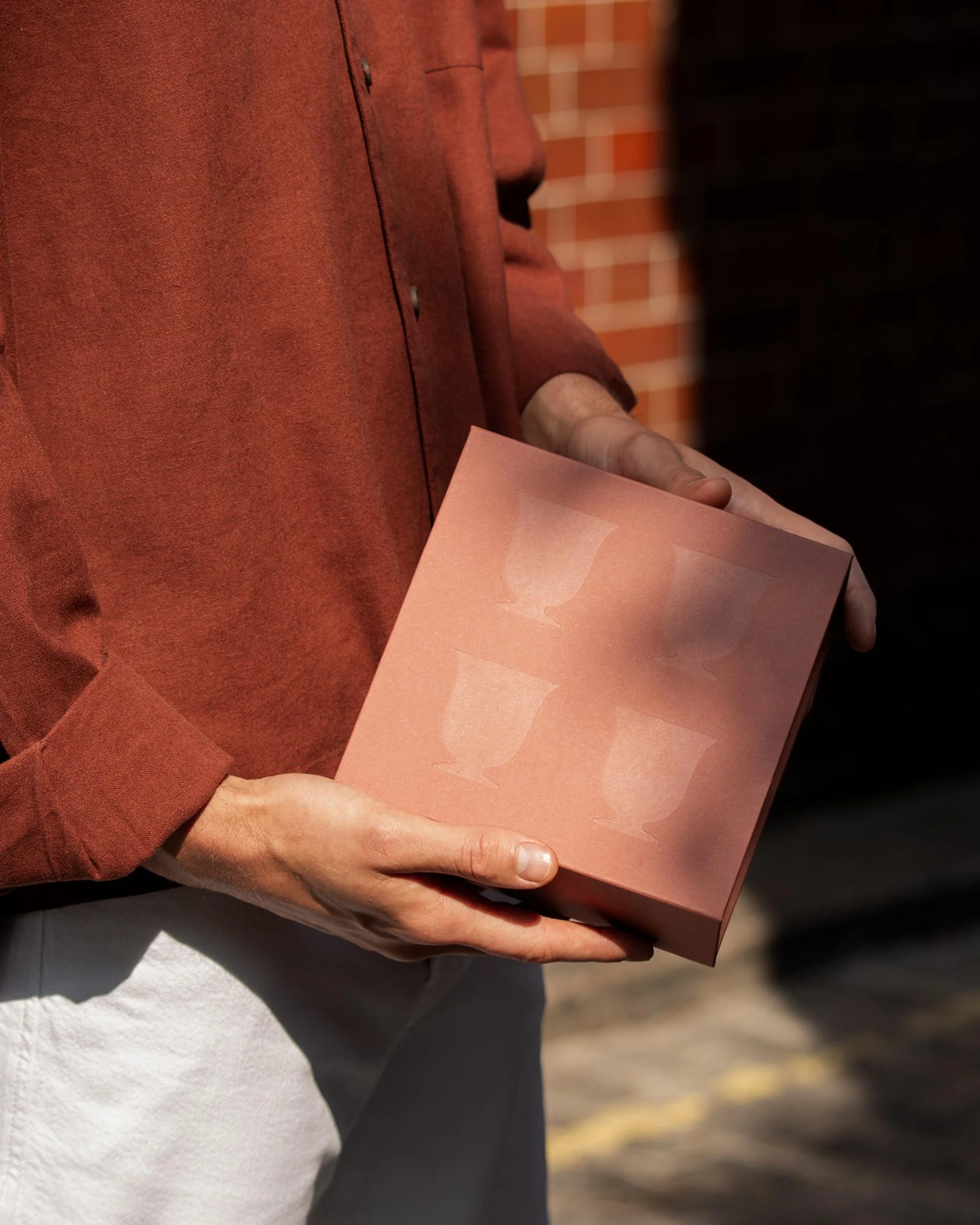
‘Fired Earth’ takes that idea back to its most elemental form. Earth is taken, shaped, fired and given again.
In that sense, the collaboration is less about producing a sustainable alternative to something else and more about recognising the value that already exists in a material we have learned to overlook. The clay does not need to become something extraordinary to be meaningful. Its journey is enough. And perhaps that is the most interesting possibility of all: that a future for gifting might begin not with finding something new, but with looking more carefully at what is already here.